Shop

Tooling for Castle Pocket routers

Tooling for Castle Pocket routers

Distributed by ata Engigeering

Discover all the tools and router bits compatible with your Castle Pocket Router.

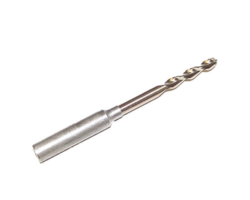
9/64" Drill Bit Brad & Spur Point

CDB9:64 - 9:64 Drill Bit Brad & Spur Point

With 1/4″ Shank

ÂŁ14.30

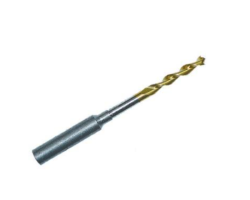
9/64" Premium Drill Bit Brad & Spur Point

Capture d’écran 2026-02-04 à 20.51.55

With 1/4″ Shank

ÂŁ22.00

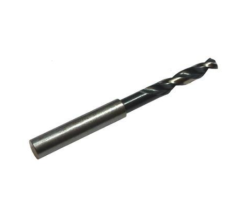
3/16” Drill Bit Split Point

Capture d’écran 2026-02-04 à 20.52.05

With 1/4″ Shank

ÂŁ16.72

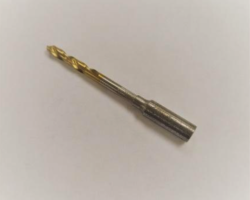
9/64" Premium Drill Split Point

Capture d’écran 2026-02-04 à 20.52.16

With 1/4″ Shank

ÂŁ18.95

3/8" DIA CARBIDE TIPPED ROUTER CUTTER

Capture d’écran 2026-02-04 à 20.52.23

With 3/8” shank

ÂŁ23.37

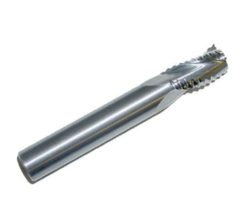
3/8” Solid Carbide 3-Flute Router Bit

Capture d’écran 2026-02-04 à 20.52.30

B00338

ÂŁ87.00

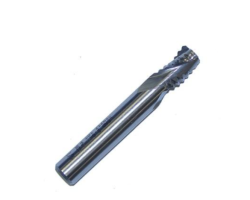
3/8" Cobalt Steel 4-Flute Roughing Router Bit
Capture d’écran 2026-02-04 à 20.52.32

B00438

ÂŁ75.75

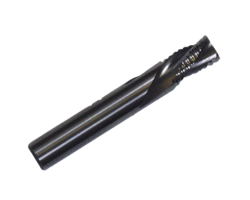
3/8" Solid Carbide 3-Flute Reverse Helix Router Bit
Capture d’écran 2026-02-04 à 20.52.40

B01338

ÂŁ85.50

MOSTLY ASKED QUESTIONS ON Castle Pocket routers tools:

What makes a Castle pocket cutter different from a drill-based pocket jig?

The main difference is that Castle routers cut a low-angle routed pocket (3° or 6°) with a router bit, leading to cleaner, stronger joints and less tear-out, compared to drill-based methods.

What thickness of material can the Castle 110 Pocket Cutter handle?

Most Castle pocket cutters, such as the Castle 110, are designed to work with material thicknesses ranging from approximately 12 mm (½″) up to 25 mm (1″). With proper setup and technique, they can accommodate slightly thinner or thicker stock. For best results, users should follow the manufacturer’s recommended settings.


Which router bits or drill bits should I use for Castle Pocket Routers?

Castle pocket cutters are designed to be used with specific router bits and pilot drill bits supplied or recommended by Castle. These tools are engineered to match the pocket geometry and cutting angle precisely. Using non-approved tooling may compromise cut quality and joint strength, so Castle-specified tooling is strongly recommended.

How do I change or install the router bit on a Castle pocket cutter?

Router bit changes are straightforward and are detailed in the Castle user manual. The process typically involves disconnecting power, accessing the spindle, and securing the bit according to the specified torque and depth settings. Always follow safety instructions and manufacturer guidelines when changing tooling.

What materials can be worked with Castle pocket router tools?

Castle pocket cutters are commonly used with hardwood, softwood, plywood, and composite wood materials. Proper tooling and cutting parameters should always be used to suit the specific material being machined.